Safer Homes for Seniors: Nurse’s Tips for Fall Prevention
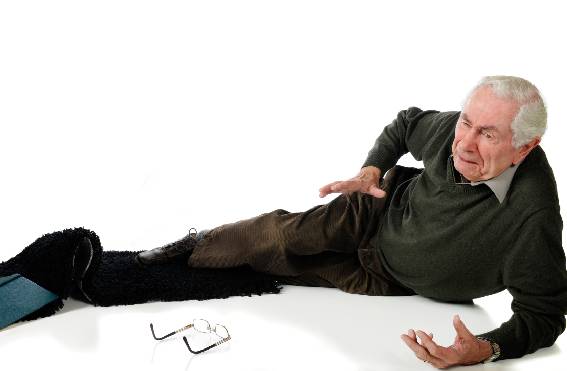
It happens in an instant — a loss of balance or tripping on a rug. In the blink of an eye, a fall can change your or your loved one’s life dramatically. Unfortunately, it’s not uncommon; one in four older American adults falls every year.
And it’s not just the potential bruise and broken bone you have to worry about. Even when a fall doesn’t cause a serious injury, it can still have a significant impact on an older person’s life. A fall can lead to the loss of an older adult’s independence and even death. According to the CDC, falls are the top cause of injuries (both fatal and nonfatal) in people over 65. In 2018 alone, more than 32,000 seniors died as a result of falls.
Yet, most falls are preventable! That’s why we want to give you the information you need to create a safer environment and take proactive steps toward fall prevention.
Common Risk Factors for Falls
To prevent falls, it helps to know why they happen in the first place. Several factors can put an older adult at risk of falling, and once you’re aware of them, you can take steps to stay safe. The changes that occur with aging, various medical conditions, medications, and home hazards can all increase the risk of falls.
Physical Changes
As we age, our bodies undergo changes that can affect our balance and make us more prone to falling.
- Muscles naturally start to lose some of their strength and flexibility with aging. This loss of coordination and strength can also happen due to inactivity, making it challenging to maintain your balance and react quickly if you start to lose your footing.
- Changes in the way you walk or stand (your gait) or pain in your feet, knees, or back can throw off your balance and make falls more likely.
- Previous injuries can also put you at risk for falls, especially if they limit mobility or cause muscle weakness.
- Weight changes, whether gained or lost, can affect an older adult’s stability and increase their risk of falling.
- Getting older often means increased sleep troubles, such as insomnia. Lack of sleep can increase the risk of falling by making you feel tired and less alert during the day.
Nurse’s Tip: Pay attention to your footwear, as they can play a significant role in preventing falls. Wear shoes that fit well, provide adequate support, and have non-skid soles.
Medical Conditions
The physical changes that come with aging aren’t the only factors that increase the risk of falling. Health issues can also make falls more common.
- Vision troubles may make it harder to get around safely. Dementia and cognitive disorders may impact judgment and increase fall risk.
- Inner ear problems, like an infection, can cause dizziness and affect balance.
- Not having enough vitamin D can weaken bones, making a fall more likely to cause a broken bone.
- An older adult may have difficulty maintaining their balance if they have arthritis, which causes joint pain and stiffness.
- Osteoporosis — a condition that causes brittle bones — increases the risk of fractures.
- Chronic conditions like diabetes or heart disease can lead to inactivity, pain, or require multiple medications — all of which raise the risk of falling.
Nurse’s Tip: Schedule regular check-ups with your healthcare provider to stay on top of your health. An annual physical exam can help identify and manage any heart or blood pressure issues that may contribute to falls. Get your yearly eye check-ups, too!
Medications
Some prescription and over-the-counter medications have side effects that can make people dizzy, sleepy, or unsteady on their feet.
- Blood pressure medications, for example, can sometimes cause a sudden drop in blood pressure. This can make you feel lightheaded or cause you to faint, increasing your risk of falling.
- Anti-anxiety medications, antidepressants, muscle relaxants, and sedatives can also make you feel groggy and less aware of your surroundings. You might have trouble moving around your home safely and trip over hazards.
- Even some over-the-counter medications can contribute to falls. Diphenhydramine (Benadryl), a common ingredient in many sleep aids, can cause dizziness and blurry vision, increasing the risk of falls.
Nurse’s Tip: Any medication can potentially cause side effects or interact with each other, increasing your risk of falling. Ask your healthcare provider about the possible side effects of your medications. Make sure all medications are clearly labeled.
Always keep an updated list of all your medications, including over-the-counter, vitamins, and herbal supplements, with their names, doses, and frequency. You can store this list on your phone for easy access. The CDC offers a helpful tool to help you create and maintain your medication list.
Home Hazards
Many older adults have lived in their homes for years, and it’s easy to overlook potential hazards that can increase the risk of falling. Yet, over half of all falls happen right at home.
- One of the biggest culprits for home falls is poor lighting. Your eyesight changes with age, and you need brighter lighting to move around the house safely.
- Clutter and obstacles in your walkways can also be a big problem. It’s easy for things to pile up over time, blocking pathways and creating tripping hazards.
- Do you have loose rugs or mats on the floor that could cause you to trip? Are electrical cords tucked away to avoid getting caught in your feet? Check your furniture and make sure it’s arranged to allow for easy movement and minimal obstacles.
- Slippery surfaces are another common hazard, especially in the bathroom and kitchen.
Making your home safer doesn’t have to be an expensive project. Small changes and simple modifications can make a big difference in reducing fall risk and keeping you and your loved one safe and independent.
Nurse’s Tip: Knowing if you or your loved one is at risk of falling is the first step in reducing the chances of falling. Use this checklist to determine your risk.
Fall Risk Assessment
A fall risk assessment is a professional evaluation of a person’s risk for falls. During this assessment, your healthcare provider will ask you or your loved one questions and perform some simple tests to get a better understanding of the risk factors for falling.
During this visit, they’ll review your medical conditions and medications, and this is the perfect time to talk about any concerns you have about falling. If you’ve had a recent fall, feel unsteady when you walk, or are worried about falling, definitely bring that up to your healthcare provider.
They’ll likely use a questionnaire to assess your risk factors. They’ll also do tests to check your strength, balance, and gait. They may measure your blood pressure while you’re sitting, lying down, and standing up to see if it suddenly drops when you change positions — this is called orthostatic blood pressure. They’ll also do a vision test and check your vitamin D levels. They might ask about potential hazards in your home.
Based on this information, your healthcare provider may adjust your medical treatment plan and give you tips to help reduce your risk of falling.
Nurses’ Tip: If you’re concerned about falling at home, ask your healthcare provider to order a home fall risk assessment. During this assessment, a trained professional visits your home to evaluate your fall risks, considering your health, daily activities, and home environment. They’ll give you recommendations to reduce or remove any fall risks. Medicare and other health plans may cover medically necessary in-home assessments.
Home Environment Fall Risks and Modifications
Your home should be a safe, comfortable place. Home modifications to reduce fall risks not only increase your safety but also allow you to age independently and comfortably in familiar surroundings.
What’s more, simple home adjustments could reduce fall rates in seniors by nearly 40%. Even if you feel steady on your feet currently, it’s wise to take proactive steps to create a hazard-free living environment before any issues arise.
The following tips offer guidance, but you can make these recommendations your own with some creativity — after all, you know your needs and preferences better than anyone.
Floors, Stairways, and Hallways
These areas see a lot of foot traffic, so it’s a great place to start. Here’s how you can make them safer:
|
| Floors |
- Ensure carpets are firmly fixed to prevent slipping.
- Apply no-slip strips to tile and wooden floors for added traction.
- Avoid throw rugs or small area rugs that can slide or bunch up. If you want to use them, make sure they’re taped down.
- Don’t walk on freshly washed floors, as they can be slippery.
- Clean up spills and fallen objects promptly.,
- Don’t let newspapers or magazines accumulate on the floor.
|
| Stairs |
- Install sturdy handrails on both sides of the staircase, making sure they’re easy to grip and extend the full length of the stairs. The handrails should be 30 inches high above the stairs.
- Always hold the handrails when going up or down, even if you’re carrying something.
- Keep your view of the steps clear to avoid tripping.
|
| Walkways |
- Keep walkways clear of books, papers, clothes, shoes, cords, and other potential tripping hazards.
- Regularly tidy up these areas to maintain clear paths.
|
| Lighting |
- Make sure there are light switches at the top and bottom of stairs and on each end of long hallways.
- Consider installing motion-activated lights that automatically turn on as you walk by.
|
Bathrooms
The bathroom is an area where falls commonly occur, especially due to wet and slippery surfaces. Let’s take a look at some practical steps you can take to make your bathroom safer:
|
| Lighting |
- Ensure your bathroom is well-lit.
- Consider leaving a light on or using a night light that automatically turns on in the dark to help you navigate the space safely.
|
| Non-slip mats and bath seats |
- Use non-slip mats in your bathtub or shower to provide better traction on wet surfaces, such as bathroom floors and shower or tubs.
- Consider using a bath seat, which can offer stability and support while you bathe.
- Keep your view of the steps clear to avoid tripping.
|
| Grab bars |
- Mount grab bars in and outside your shower and tub to provide a secure handhold when entering, exiting, or maneuvering in these areas. Grab bars near toilets help when sitting down and standing up.
|
Bedrooms
Moving around your bedroom can be tricky with limited visibility. Your bedroom should be designed to promote better sleep while minimizing fall hazards. Consider the following modifications:
|
| Lighting |
- Install night lights and keep light switches close to your bed for easy access in the dark.
- Keep a flashlight by your bed in case of power outages or emergencies.
|
| Phone accessibility |
- Place a landline or well-charged phone near your bed, ensuring it’s within easy reach. Tuck away phone or charging cords to avoid tripping over them.
|
| Furniture height and arrangement |
- Make sure your bed and other furniture are at a comfortable height for easy access (knee height is ideal).
- Position furniture to create clear walkways and reduce obstructions.
|
| Frequently used items |
- Keep regularly used items, such as glasses, books, or remote controls, within comfortable reach of your bed. This will reduce the need to get up frequently or strain to reach them.
|
Kitchen
Slippery floors, hard-to-reach items, and fatigue from standing for long periods are fall risks when in the kitchen. Try the following adjustments:
|
| Accessible storage |
- Keep frequently used pots, pans, and kitchen utensils in easily accessible places, such as lower shelves or drawers.
This will minimize the need to reach overhead or bend down low, which can cause a loss of balance.
- Lower shelf heights to make items more accessible without the need for a step stool or excessive reaching.
- Use reach aids, such as grabber tools, to safely retrieve items from higher shelves or hard-to-reach places.
|
| Non-slip mats and flooring |
- Use non-slip mats in areas that are likely to get wet, like near the sink, refrigerator, or stove.
- Clean up spills immediately to prevent slipping hazards.
|
| Food preparation |
- Consider preparing food while seated at a table to prevent fatigue or loss of balance from standing for extended periods. This can also help conserve energy and reduce the risk of falls.
|
Outdoor Spaces
Soaking up some fresh air or sun feels wonderful and is recommended. Still, outdoor spaces can present fall risks, especially with changing weather and uneven surfaces. The following modifications may help:
|
| Stairway maintenance |
- Regularly inspect the steps leading to your front and back doors and ensure they are not broken, uneven, or loose.
- To improve traction on wet outdoor stairways, add non-slip material, such as adhesive strips.
|
| Debris removal |
- Keep lawn, deck, and porch areas clear of debris, such as fallen branches, leaves, or other tripping hazards.
- Regularly maintain these spaces to ensure they remain obstacle-free.
|
| Entrance safety |
- Entrance safetyConsider installing a grab bar near doors to provide stability while locking or unlocking the door.
- Ensure that entrances are well-lit. Turn on your porch light at night or if you plan to return home after dark.
|
| Winter precautions |
- During the colder months, use ice melt products or sand to reduce slipperiness caused by snow and ice.
- Be cautious when walking on potentially icy surfaces, and wear shoes with good traction.
|
Other Home Modifications
Beyond the specific rooms and areas mentioned above, use the following general tips where it makes sense in your home:
|
| Electrical cord management |
- Keep electrical cords near walls and out of walking areas to avoid tripping.
- Use cord organizers or tape cords down in high-traffic areas.
|
| Furniture arrangement |
- Arrange furniture so they don’t obstruct your walking paths.
- Ensure that sofas and chairs are at a comfortable height for easy sitting and standing.
|
| Step stool safety |
- Avoid standing on chairs or tables to reach high objects, as this can lead to falls.
- If you must use a step stool, choose one with a steady base and a handrail on top for added support, and have someone stand nearby to assist you.
|
| Pet safety |
- Be mindful of your pet’s location whenever you’re standing or walking to avoid tripping over them.
- Consider using a bell on your pet’s collar to help you keep track of their whereabouts.
|
| Emergency preparedness |
- Keep a list of emergency numbers in large print near each landline phone and save them under “favorites” on your mobile phone for quick access in case of a fall or other emergency.
|
How Exercise Helps Prevent Falls
You likely know the benefits of regular exercise, such as improved heart health, mental well-being, and weight management. Did you know that fall prevention is another benefit of regular exercise?
Falls can’t be completely prevented, but engaging in exercises that focus on balance and strength training can go a long way in reducing your risk. With improved balance and increased strength, you’ll be steadier on your feet and reduce your chances of falling.
Many older adults who have fallen or are at increased risk of falling are referred to a physical therapist for help. A physical therapist can perform a fall screening, make an exercise plan, and supervise you as you exercise.
Best Exercises to Improve Seniors’ Balance and Strength
No matter your age, and even if you’re managing a chronic health condition, you can do activities to build your strength and improve your balance. Still, always check with your healthcare provider before starting any exercise program.
Experts recommend at least two days a week of strength training and two and a half hours of moderate aerobic activity spread throughout the week. Adding balance exercises into your routine is simple. And you don’t have to go to the gym to exercise.
Strength
Some people use weights or resistance bands to build their muscle strength. If you’re new to strength training, start with light weights or bands and gradually work your way up.
A simple exercise you can do at home to improve your leg strength is the sit-to-stand exercise. Here’s how to do it:
| Sit-to-Stand Exercise |
| 1. First, find a sturdy chair that won’t slide or roll and that’s not too low. Make sure there’s a solid surface like a countertop in front of you. This way, you can grab onto it if you start to feel unsteady while standing. |
| 2. Sit down on the chair and place your hands in your lap, across your chest, or out in front of you — whichever feels most comfortable. |
| 3. Scoot forward a bit so your buttocks are near the front edge of the seat. |
| 4. When you’re ready to stand, lean your chest forward slightly and slowly stand up without using your hands for support. |
| 5. Once you’re standing, take a moment to steady yourself, then slowly sit back down with control. |
Repeat this movement 10 times, taking breaks if necessary. As you get stronger, you can try doing more repetitions or even holding some light weights in your hands for an extra challenge.
Balance
One great way to improve your balance is to do exercises like yoga and Tai Chi. Tai Chi is a kind of “moving meditation” in which you shift your body slowly and gently while breathing deeply.
Don’t want to do yoga or Tai Chi? Try a single-leg stance exercise at home. Standing on one foot is an exercise that tests your balance. Here’s how to do it:
| Single-Leg Stance |
| 1. Find a sturdy chair or counter to stand behind. Make sure it won’t move or slide and that you can grab onto it if you need extra support while balancing on one foot. |
| 2. Stand up straight with your back nice and tall and your feet side by side. You should be close enough to the chair or counter to reach it easily if needed. |
| 3. When you’re ready, slowly lift your right foot off the floor. If you feel a bit shaky, hold onto the back of the chair or counter with both hands as you lift your foot. It’s okay to take it slow and steady. |
| 4. Now, bend your right knee to a 90-degree angle, like you’re marching in place. |
| 5. Hold this position and maintain your balance for 10 seconds. If you can’t quite make it to 10 seconds at first, that’s okay; hold it for as long as you can and work your way up. |
| 6. After 10 seconds (or whatever you can manage), slowly lower your right foot back to the floor. If needed, take a moment to regain your balance. |
| 7. Repeat the same movement with the left foot. |
Practice standing on each foot 10 times. Gradually try to balance longer on one foot, working your way up to 30 seconds or even a full minute.
Nurse’s Tip: Exercising offers great benefits for seniors, but start slowly and use caution. Use a chair or wall for support if needed. Begin with the easiest moves and gradually progress. Drink water before exercising. If you are new to exercise or have balance concerns, check with your healthcare provider first.
What is the Role of Nutrition in Fall Prevention?
Have you thought about the foods you eat as fall prevention allies? When you consume the proper nutrients, you help your body maintain strong muscles and bones, which can reduce your risk of falling or breaking a bone if you do fall.
Getting enough calories is key since being underweight or overweight both increase fall risks.
Protein is another essential nutrient for fall prevention, as it helps build and repair muscle tissue.
Don’t forget about vitamin D and calcium; they strengthen your bones and muscles.
Nurse’s Recommended Diet for Seniors
Focus on a well-rounded diet that supports musculoskeletal health, cognitive function, and overall well-being. Here are some key components for fall prevention:
- Protein: Include protein sources with each meal or snack. Great options include:
- Lean meats like chicken, turkey, and fish
- Eggs
- Low-fat dairy products like milk, yogurt, and cottage cheese
- Beans, lentils, and tofu
- Nuts and seeds
- Vitamin D: Aim for 15 to 20 micrograms (or 600 to 800 IU) of vitamin D daily (check the nutrition fact labels). Good sources include:
- Fatty fish like salmon, tuna, and sardines
- Egg yolks
- Fortified milk, yogurt, and cereals
- Spending 10-15 minutes in sunlight a few times a week
- Calcium: Most older adults need 1,200 milligrams of calcium per day. Include calcium-rich foods such as:
- Low-fat milk, yogurt, and cheese
- Dark leafy greens like kale and collard greens
- Canned fish with soft bones, like salmon and sardines
When planning meals, focus on portion control and variety. Half of your plate should contain fruits and vegetables, a quarter should have lean proteins, and the last quarter should include whole grains.
If you’re living with certain health conditions, like high blood pressure or diabetes, you might need to modify your diet to better support your well-being. A registered dietitian or healthcare provider is a good resource who can develop a personalized meal plan that supports your health goals.
Medication Management for Fall Prevention
Medications help manage health conditions, yet certain medications’ side effects can make you more likely to lose your balance and fall. Fortunately, medication is one fall risk factor that can be changed with a little help from your healthcare provider or pharmacist.
To start, schedule a medication review with your healthcare provider or pharmacist. They can help identify medications that might increase your risk of falling. They’ll also keep an eye out for any duplication, which is when you’re taking two medications that do the same thing. This can happen if you receive a prescription after a hospital stay but you’re already taking the generic version of the same medication at home.
Some common medications that can increase your risk of falling include:
- Antidepressants, such as sertraline (Zoloft) or escitalopram (Lexapro)
- Anti-anxiety medications, such as alprazolam (Xanax) or diazepam (Valium)
- Sleep medications, such as zolpidem (Ambien)
- Anti-seizure medications, such as lamotrigine (Lamictal)
- Antipsychotics, such as haloperidol (Haldol)
- Pain medications, such as oxycodone (Percocet)
- Muscle relaxants, such as cyclobenzaprine (Flexeril)
- Blood pressure medications, such as lisinopril (Zestril) or metoprolol (Lopressor)
- Antihistamines, such as diphenhydramine (Benadryl)
- Medications that lower blood sugar, such as insulin
- Anticholinergic medications, such as oxybutynin (Ditropan)
Nurse’s Tip: Before getting discharged from a hospital stay, ask a hospital pharmacist to review your medications for any interactions or duplicates that could increase your fall risk.
Other Fall Prevention Tips
Here are some additional habits to incorporate into your or your loved one’s daily routine to maintain mobility and independence:
- Get quality sleep: Being well-rested supports physical strength, balance, and mental alertness, which are all vital for preventing falls.
- Practice good sleep hygiene: Create a relaxing bedtime routine, and ensure your bedroom is quiet, dark, and at a comfortable temperature. Avoid electronic devices, caffeine, and large meals close to bedtime.
- Use mobility aids properly: If you need a walker or cane, have a healthcare provider or physical therapist ensure it’s fitted right and show you how to use it safely.
- Make it a team effort: Involve your healthcare provider, family, and support system to help reinforce fall prevention strategies and maintain your independence.
- Voice concerns: If you’re caring for a loved one, let them know that you’re concerned about their fall risk and offer to take steps to keep them free of falls.
We’ve covered a lot of ground in discussing fall prevention strategies. Falls aren’t a normal part of aging, and you can take steps to prevent falls and maintain your or your loved one’s mobility, regardless of age. Save this article so you can easily find it later and share it with a loved one who might find it helpful.