Nurse Insights: How Do Nurses Manage Chronic Illnesses?
Chronic illnesses require ongoing management to ensure optimal health and wellness of patients. Nurses play a vital role in this process by providing comprehensive assessments, developing personalized care plans, and regularly monitoring patient progress. In this article, we’ll discuss the importance and impact of a nurse’s role in managing chronic illnesses, including patient assessment and care planning.
Nurse Insights
How Do Nurses Manage Chronic Illnesses?
In our Nurse Insights series, experienced nurses offer an insider’s perspective on the nursing profession by addressing common questions, challenges, and triumphs of their careers.
Understanding the Role of Nurses in Managing Chronic Illnesses
As a registered nurse working with patients who have chronic illnesses, your role can be multifaceted. You’re expected to provide comprehensive routine assessments and implement care plans that not only manage symptoms but also improve your patient’s overall wellness.
Routine Patient Assessment
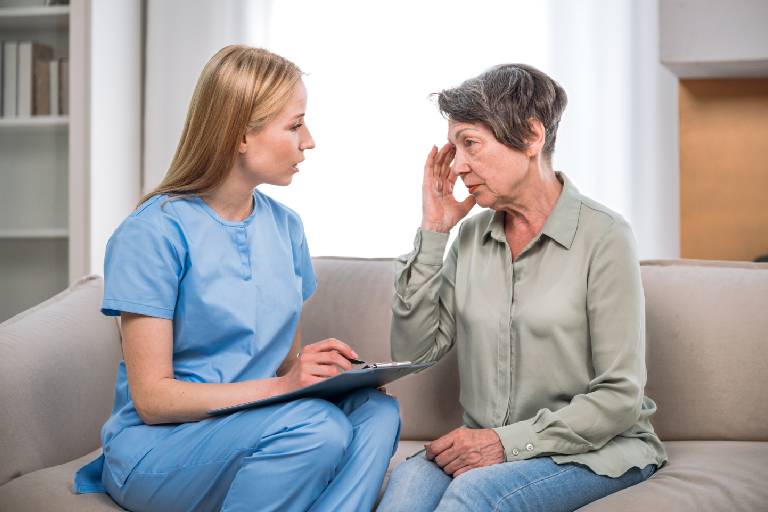
Your responsibility starts with patient assessments that are so much more than just a physical examination. You delve deep into the mental and emotional health of the patient, which is often significantly impacted by chronic illnesses. Issues such as depression and anxiety are common in patients with chronic illnesses, and unmanaged mental health issues can hinder physical recovery. By identifying these issues and involving the appropriate specialists, you can vastly improve the patient’s outcome.
Assessments also involve regularly evaluating the effectiveness of the patient’s current treatments and medications. You are usually the first to realize if a treatment plan is not working as expected or if the patient is experiencing serious side effects.
Care Planning
When managing chronic illnesses, the care plans you develop deliver guidelines both you and the patient will follow. These plans include medication regimes, lifestyle adjustments like dietary changes and exercises, and scheduling routine health monitoring. It’s a comprehensive roadmap personalized for every patient’s needs.
The care plan also accounts for the progression of the illness. Chronic diseases usually have a tendency to worsen over time or lead to other health complications. So, the straightforward task of care planning involves relentless preparation for various possible scenarios and providing guidance to patients and their families during those challenging times.
Consistency is key when managing chronic illnesses. As a nurse, you play an important role in ensuring that patients adhere to their care plans. You offer assistance in overcoming barriers to adherence, whether physical, financial, or psychological.
Chronic illnesses can lead to feelings of loss, fear, and frustration in patients. In such times, the emotional support and reassurance that you provide as a nurse are equal parts therapeutic and comforting.
Monitoring Patient Progress
In your role, it is your responsibility to conduct regular patient evaluations. These assessments document the status quo and any changes that are relevant to the patient’s medical condition. This can range from monitoring vital signs, pain levels, understanding of their condition, emotional state, and reactions to medications or treatments.
Regular Patient Assessments
Initial assessments are carried out when a patient is first admitted into the healthcare facility. They provide an overview and baseline information about the patient’s health. Ongoing, or follow-up assessments, are then conducted to monitor any changes and to track the effectiveness of any interventions undertaken.
In all types of assessments, nurses use their knowledge and judgment to analyze different aspects of a patient’s health, including physical health, emotional well-being, social connectedness, cognitive abilities, and their ability to perform activities of daily living.
Adjusting Treatment Plans
Based on these assessments, you’ll update the patient’s treatment plan as necessary. This might mean changing medications, recommending a different kind of therapy or exercise, or suggesting adjustments to the patient’s diet or daily routines.
Treatment plans are not static. They evolve according to the health progress of a patient. It’s crucial to communicate any proposed changes with the patient, their family, and the healthcare team to ensure everyone is on the same page before a plan is adjusted.
Multidisciplinary Approach
Patient care is a team effort and involves collaboration with doctors, other nurses, specialists, and often social workers. Sharing your observations and assessment findings is essential as it can influence the overall management plan crafted by the multidisciplinary team.
The ultimate goal is to promote the patient’s optimal health and well-being. Regular and thorough evaluation allows for timely modifications to treatment plans and helps guide the direction of care. Your role in monitoring and adjusting care plays a pivotal part in achieving this goal.
Educational Responsibilities
In your nursing career, a significant component of your job is taking on an educator’s role. You’ll have the responsibility to provide essential information about different health conditions to your patients. This involves simplifying complex medical terms and processes in a way that your patients can understand, enabling them to make informed decisions about their health.
Health Education
You’ll find yourself explaining disease processes, symptoms, prognosis, and possible complications of health conditions to your patients. Emphasizing the importance of early detection and regular check-ups is critical in this aspect of your teaching role.
Medication Adherence
As a patient’s nurse, it’s important to educate them about their prescribed medications. You’ll need to explain the importance of dosage, timing, and potential side effects. You’ll also have to provide helpful strategies to enhance medication adherence, which may involve setting reminders or associating medication times with daily activities.
Lifestyle Modifications
As a nurse, you’re in a prime position to advocate for healthy lifestyle choices. Part of your role involves explaining to patients how diet, physical activity, smoking cessation, and moderation of alcohol intake can directly impact their health. You may also be required to provide guidance on maintaining mental and emotional health.
Self-Care Strategies
Another aspect of being a nurse educator is teaching patients about self-care strategies. Depending on their health conditions, this could involve educating patients about wound care, dietary management, physical therapy exercises, stress management techniques, and more. For some patients, establishing a daily routine can significantly improve their health outcomes.
It’s essential to remember that patient education can increase their confidence, improve their health outcomes, and promote independence. As a nurse, your guidance and teaching can have a direct impact on their ability to manage their health conditions.
Nurse-Patient Communication
In fostering better management of chronic diseases, effective communication between you and your patients plays a crucial role. This involves key components such as empathy, active listening, and providing thorough explanations in easy-to-understand terms.
Empathy
Expressing empathy to your patients does more than just show them that you care. It helps to build trust, which can lead to your patients being more comfortable and open to sharing crucial information about their symptoms and experiences. With this information, you can make more accurate assessments and recommendations to manage their chronic illness effectively. Moreover, empathy can facilitate adherence to therapeutic regimens by improving patient satisfaction.
Active Listening
When interacting with your patients, practice active listening. This means not only hearing the words they say but also understanding the complete message they are trying to communicate. By showing that you are genuinely interested in their thoughts and concerns, you can glean important information related to their illness. This could be about their medication reactions, lifestyle factors, or emotional distress linked to their chronic disease. With such insights, you can provide comprehensive and patient-oriented solutions that take into account their personal circumstances.
Providing Thorough Explanations
Understanding a chronic illness and its management can be overwhelming for many patients. Therefore, it’s essential to provide detailed explanations tailored to their comprehension level. Tell them about the nature of their illness, potential complications, treatment plans, and self-care strategies. By doing so, you empower them to actively participate in managing their chronic conditions. The more patients understand their situation, the more likely they will comply with recommended treatment plans and adopt healthier lifestyle changes.
Coordinating With Other Healthcare Providers
When working as a nurse, a key role you will undertake involves coordinating and collaborating with other healthcare professionals to manage chronic illnesses in patients.
Coordinating Care
Coordination of patient care often involves you serving as the main point of contact between the patient and other healthcare professionals. This can include physicians, specialists, physical therapists, and dietitians, among others. You will commonly be responsible for managing and disseminating the patient’s pertinent medical information. This could include arranging medical appointments, confirming medication schedules, discussing test results, and ensuring that each member of the healthcare team is aware of the patient’s current condition and treatment plan.
Collaborative Practice
Collaboration with other healthcare professionals is essential for the effective management of chronic illnesses. You will work closely with these team members to develop, implement, and monitor treatment plans. This could be a diabetes management plan with a dietitian or a mobility regimen with a physical therapist. Essentially, your role as a nurse extends beyond primary care and into being the bridge that connects all aspects of a patient’s healthcare team.
Effective collaboration also requires open communication between you and the rest of the team. Discussions, meetings, or consultation sessions may need to happen frequently to ensure a unified approach to patient care. Respect for the expertise each professional brings to the team is crucial, as each has specific knowledge that contributes to the comprehensive management of chronic illnesses.
Addressing Emotional and Psychological Needs
As nurses assess patients and their families dealing with chronic illnesses, they often find that emotions and psychological well-being play a huge role. The holistic approach of nursing practice involves acknowledging and addressing not only physical discomfort but also the potential emotional burdens that patients and their families might be going through.
Using Therapeutic Communication
Therapeutic communication is key in dealing with the emotional and psychological stresses chronic illnesses can have on both patients and their families. As a nurse, your role primarily involves listening to and understanding the concerns of patients and their family members to decipher their emotional needs. Therapeutic communication also involves offering emotional support and reassurance to ease their worries and anxieties.
Offering Psychosocial Support
Chronic illness can often lead to feelings of isolation, so part of your role is to help connect patients and families with psychosocial support. Support groups and counseling services can be particularly helpful. Referring patients and their families to these resources can help them feel less alone in their journey and can provide them with additional coping strategies.
Assessing for Signs of Mental Distress
Nurses are trained to recognize potential signs of mental distress, such as changes in mood, appetite, sleep patterns, or social interactions. Routine assessments of mental health can help identify issues such as depression, anxiety, or other psychological concerns often associated with chronic disease. Once these issues are identified, nurses can facilitate referrals for necessary psychiatric care or other mental health services.
Education and Empowerment
Providing education about the illness, treatment options, and coping strategies can empower patients and their families. This knowledge can give them a sense of control and reduce the fear and uncertainty that often comes with chronic disease.
Remember that each patient and family is different, and their emotional and psychological experience with chronic illness will differ as well. Tailoring your approach to meet these unique needs is at the heart of an effective nursing practice.