Doctor of Nurse Anesthesia Practice Career Overview
What Is a Doctor of Nurse Anesthesia Practice?
A doctor of nurse anesthesia practice (DNAP) is a nurse anesthetist with the highest degree available for their position. Like certified registered nurse anesthetists (CRNAs), DNAPs manage anesthesia during medical or surgical procedures. This includes ongoing patient monitoring throughout the procedure, pre-procedure education and evaluation, and post-operative recovery. Doctors of nurse anesthesia practice have a higher degree than CRNAs and may earn a higher salary. The path to becoming a DNAP is long, but those who accomplish this achieve career and schedule flexibility and the highest pay in the nursing world.
What Does a Doctor of Nurse Anesthesia Practice Do?
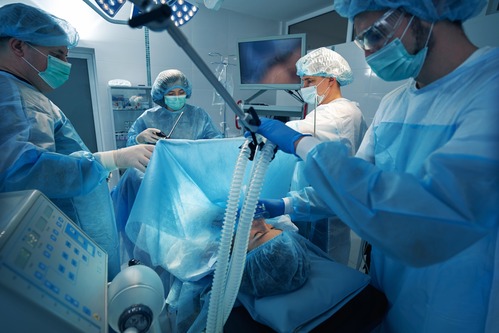
DNAPs must earn expertise in medications used in anesthesia, which block muscle contraction and pain. DNAPs ascertain any preexisting allergies and must calculate each medication by weight to deliver them safely. During procedures, they must continually assess and monitor their patient, adjusting dosages as needed. Typical DNAP tasks include:
- Assessing current health and history
- Educating patients and caregivers on anesthesia
- Ordering necessary tests
- Creating anesthesia plans of care for patients
- Administering anesthesia medications and adjusting doses based on patient response
- Placing intravenous lines for medication administration
- Maintaining patient’s airways
- Monitoring and responding to changes in patient’s vital signs
- Monitoring anesthesia recovery
- Providing pain control, like epidurals and nerve blocks
- Placing invasive monitoring lines in blood vessels
- Collaborating and consulting with other healthcare providers
- Conducting or participating in research studies
DNAPs carry high levels of responsibility and must be able to work effectively as part of the surgical team. They may face situations where a patient’s life is in danger and must be able to make critical decisions quickly. Part of their training includes rapid critical thinking and problem-solving skills.
DNAPs must continue to pursue continuing education throughout their careers through classes, lectures, skill evaluation, and knowledge testing. Each state has its requirements for continuing education hours for DNAPs, which must be met to continue practicing in that state.
How Long to Become?
8-10 Years
Job Outlook
38% increase from 2022 to 2032
Average Salary
$214,200
Where Do Doctors of Nurse Anesthesia Practice Work?
DNAPs can work with surgical patients in several settings, including:
- Hospitals
- Same-day surgery centers
- Pain management clinics
- Offices of plastic surgeons, podiatrists, ophthalmologists, and dentists
DNAPs work more traditional office hours in an office setting. However, in hospitals or other care centers that do not close, they may be required to work nights, weekends, and holidays and take on-call shifts to cover emergency procedures.
DNAPs working in operating rooms (ORs) may be expected to start work early in the morning to prepare for upcoming surgical cases. They may also need to stay until the cases are completed for the day, which can be predictable and result in long days and evenings at work. DNAPs working in emergency rooms or in critical care patient areas may have scheduled hours, though the shifts may be long and include weekends, holidays, and on-call shifts. Full-time is typically considered 36 hours (three 12-hour shifts) every seven days. Some DNAPs choose to work part-time, or less than 36 hours per week.
| Industry | Hourly mean wage | Annual mean wage |
| Colleges, Universities, and Professional Schools | $91.55 | $190,420 |
| General Medical and Surgical Hospitals | $110.65 | $230,150 |
| Offices of Other Health Practitioners | $73.33 | $152,530 |
| Offices of Physicians | $99.82 | $207,630 |
| Outpatient Care Centers | $126.90 | $263,960 |
Source: BLS
DNAPs can practice in a DNAP-only or anesthesia care team model. With the team model, DNAPs collaborate with an anesthesiologist or other medical doctor. Some DNAPs own their own practice and establish contracts with various offices. Depending on experience and preferences, DNAPs can also work as traveling DNAPs or in temporary assignments in various settings and locations. To do this, DNAPs must ensure they are certified and allowed to practice in the state of hire.
How Do I Become a Doctor of Nurse Anesthesia Practice?
To become a DNAP, you must first become a registered nurse (RN) with a Bachelor of Science in Nursing (BSN) and pass the NCLEX-RN examination. Nurses must then complete a year or two of critical care nursing experience before they will be considered for acceptance to a doctor of nurse anesthesia practice program. To earn critical care experience, nurses can work as RNs in emergency rooms, critical care units, intensive care units, or post-anesthesia care units. Nurses with a critical care certification (CCRN) will be even more desirable in DNAP programs. In 2025, all nurse anesthetists will be required to earn a doctoral degree, so programs may become even more competitive.
As a part of their application, prospective DNAPs will go through an intense application and interview process, which may include personality and emotional intelligence testing. After program acceptance, DNAP programs typically take about three years to complete. Once a nurse has graduated, they must then pass the national certification exam offered by the National Board of Certification and Recertification for Nurse Anesthetists (NBCRNA). When certified DNAPs are looking for work, they must apply to the nursing licensure board of that state, ensure they have met all the state’s requirements, and await their license before they can begin working.
How Much Does a Doctor of Nurse Anesthesia Practice Make Per Year?
According to the U.S. Bureau of Labor Statistics (BLS), the median annual wage for nurse anesthetists is $212,650, or close to $102.24 an hour. The median pay represents the middle, which means half of DNAPs earn more than that amount, and half earn less. DNAP salaries can vary widely based on location and employer. Peoria, IL, reported the highest annual mean wage among metro areas, with San Diego-Carlsbad, CA, not far behind.
Outpatient care centers offer the highest pay for DNAPs at $263,960, with hospitals and physician offices also offering high salaries. Pay also varies depending on which state a doctor of nurse anesthesia practice works. Illinois, Massachusetts, and Montana currently offer the highest compensation for DNAPs.
Annual mean wage of nurse anesthetists, by state
- $251,309 - $324,540
- $328,467 - $354,010
- $356,671 - $373,352
- $373,558 - $421,360
Blank areas indicate data not available
What Are the Benefits of Being a Doctor of Nurse Anesthesia Practice?
Doctors of nurse anesthesia practice earn the highest pay in nursing and have many opportunities to create flexible schedules. They may work full-time or part-time and can choose to work in many different settings. DNAPs have high job satisfaction because their work is essential in maintaining life and putting patients and families at ease regarding surgical procedures.
Are Doctors of Nurse Anesthesia Practice in High Demand?
Employment opportunities for nurse anesthetists are projected to increase by 38% from 2022 to 2032, which is much faster than the average. As the U.S. population ages and surgical needs increase, DNAPs will stay in high demand for some years. Their scope of practice is also growing, allowing for more independent practice and increased responsibilities to meet growing healthcare needs.
Additional Resources About Becoming a Doctor of Nurse Anesthesia Practice
To learn more about becoming a doctor of nurse anesthesia practice, these additional resources may help: